Global semiconductor leaders are rapidly expanding advanced packaging capacity as AI-driven chip demand surges, with Southeast Asia becoming a key destination.
While Intel is preparing to bring its advanced packaging facility in Malaysia online this year, Samsung is reportedly making a major move in Vietnam. The company is planning a $4 billion investment to build a chip packaging plant in northern Vietnam, signaling a long-term strategic commitment to the region.
According to reports, Samsung’s project will be developed in multiple phases in Thai Nguyen province, starting with an initial $2 billion investment. At the same time, Vietnam’s Ministry of Finance is working with relevant agencies to finalize a memorandum of understanding with Samsung, paving the way for the proposed semiconductor project.
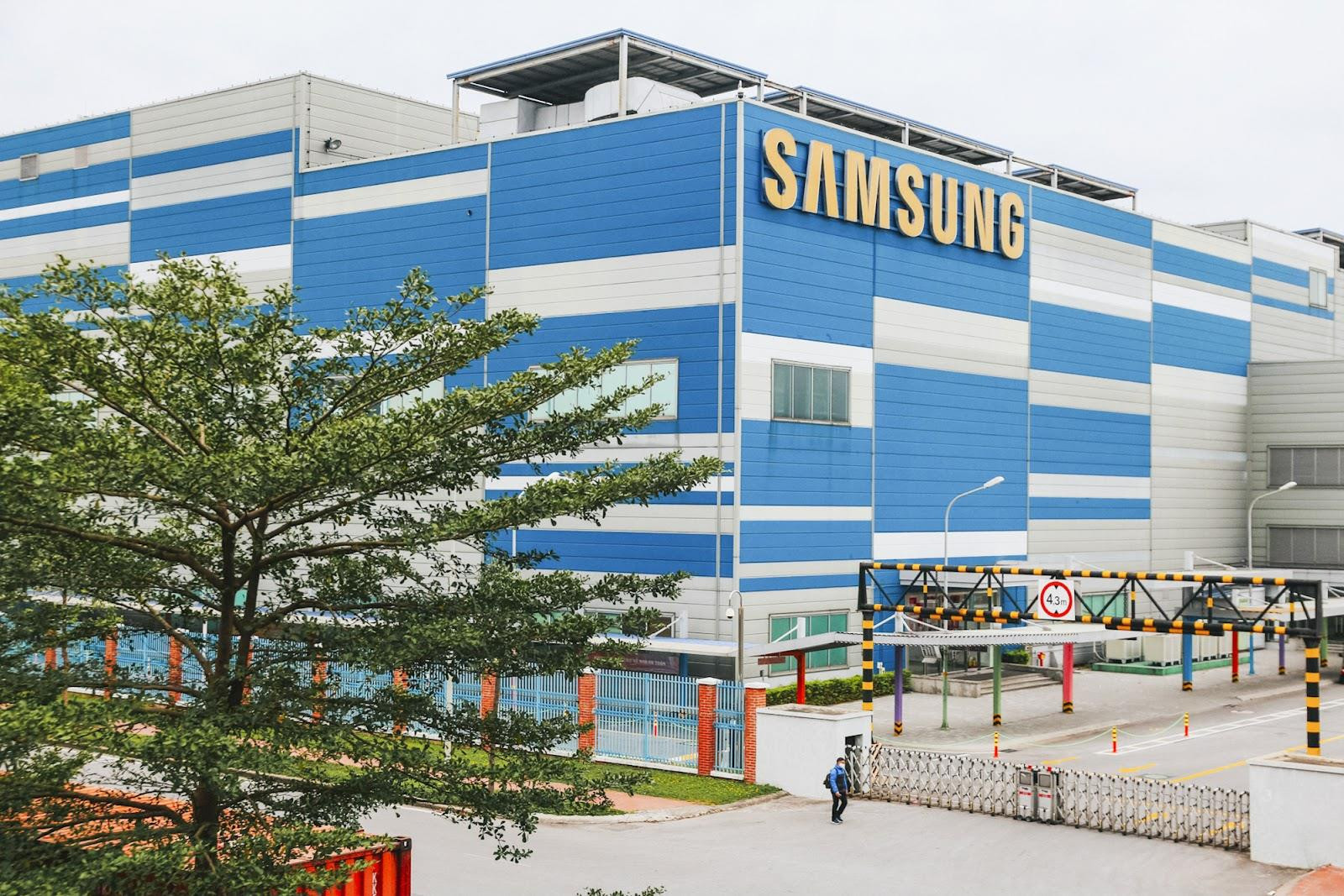
Samsung’s expansion is not happening in isolation. Amkor Technology is also accelerating its footprint in Vietnam, leveraging its large-scale advanced packaging facility in Bac Ninh. Since 2021, the U.S.-based company has invested $1.6 billion to build a state-of-the-art OSAT facility at Yen Phong 2C Industrial Park.
As part of its expansion strategy, Amkor has proposed three key policy recommendations to support long-term growth. These include prioritizing LPG supply for semiconductor facilities amid potential global energy disruptions, introducing a direct subsidy mechanism of around 3% of investment capital to enhance competitiveness, and strengthening housing and welfare policies to attract and retain highly skilled engineers.
Together, these developments highlight Vietnam’s rising role in the global semiconductor back-end supply chain. With major players like Samsung and Amkor scaling up operations, the country is increasingly positioned as a critical hub for advanced packaging and a magnet for further investment from equipment and materials suppliers.
