It is no longer GPUs or CPUs that are under the most pressure in the AI era, but memory. As data volumes grow exponentially, systems are no longer limited by compute power but by how fast data can be moved and accessed. This imbalance is pushing the DRAM and HBM markets into an entirely new growth cycle.
Performance Is No Longer Defined by the Chip
In the past, upgrading hardware meant improving performance. In the age of AI, that assumption no longer holds. Modern AI models require processing massive datasets in real time. As a result, system performance now depends less on how powerful a chip is and more on whether data can be delivered fast enough to keep it running efficiently.
The New Bottleneck: Memory
In many AI systems today, a significant portion of processing time is spent waiting for data rather than performing computations. When compute capabilities scale faster than data transfer speeds, overall system performance slows down.
This phenomenon is commonly referred to as the “Memory Wall,” where memory becomes the primary limiting factor of performance.
HBM: A Solution and a New Constraint
To address this challenge, High Bandwidth Memory (HBM) has emerged as a critical component in AI infrastructure. With significantly higher bandwidth and optimized architecture, HBM helps reduce data transfer bottlenecks. However, the rapid surge in demand has created a new issue: supply constraints. HBM is quickly becoming one of the most limited resources in the semiconductor supply chain.
DDR5 and the Expansion of AI Deployment
Alongside HBM, DDR5 is becoming the backbone of real-world AI deployment. As AI shifts from training to inference, the number of servers continues to grow, driving demand for memory at scale. With its balance of cost and performance, DDR5 has become the preferred choice, especially for large-scale data centers.
A Silent Shift in Supply Allocation
One of the less visible but critical dynamics is the reallocation of manufacturing capacity. Memory producers are prioritizing high-margin products such as HBM and server-grade DRAM.
As a result, supply for consumer DRAM is being squeezed, creating a structural shortage rather than a temporary one.
Memory Prices Enter a New Upcycle
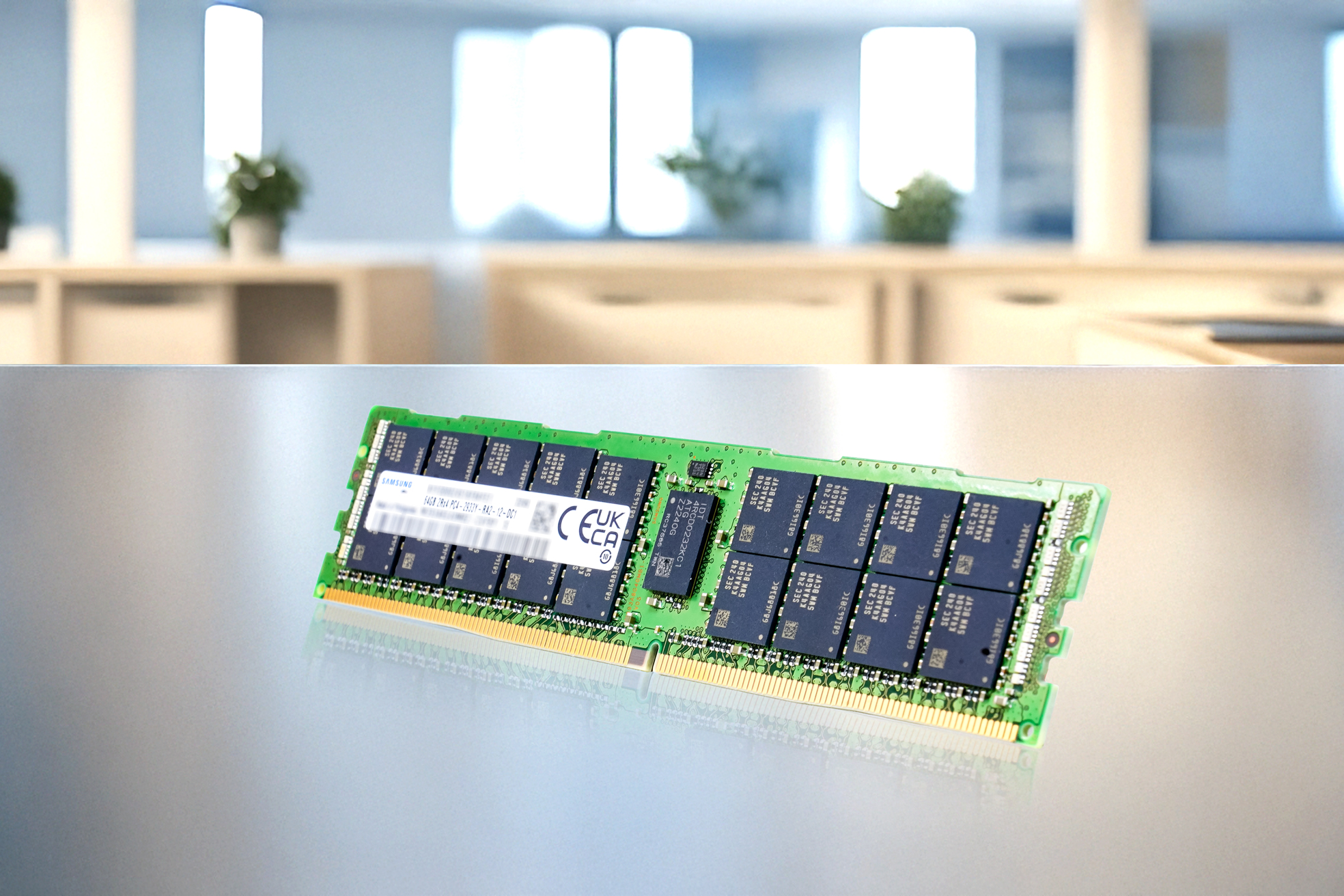
When supply cannot keep up with demand, prices inevitably rise. Since late 2025, the market has shown clear signs of price increases, particularly in DDR5 and HBM. Unlike previous cycles driven by PCs or smartphones, this upcycle is fueled by AI, a sector with sustained and accelerating demand.
Consumer Devices Feel the Ripple Effects
The impact of memory market shifts extends beyond data centers into the broader device ecosystem. As DRAM costs rise, smartphone and laptop manufacturers are forced to adjust strategies. Some increase prices, while others reduce specifications or delay upgrades.
The low-end segment is hit hardest, as users may have to accept lower configurations at the same price points.
Margin Pressure Across the Industry
Rising component costs combined with limited pricing flexibility are putting pressure on profit margins. Not all companies can pass these costs on to consumers, especially in highly competitive markets. This creates the risk of slower growth, even as overall demand for technology remains strong.
AI Is Redefining the Competitive Landscape
At a broader level, the memory story reflects a fundamental shift in the tech industry. As AI becomes central, components once considered secondary are now strategic.
Competitive advantage will no longer be defined solely by faster processors, but by the ability to move and process data more efficiently. As long as this imbalance persists, the memory market is likely to remain on an upward trajectory, becoming one of the most critical variables shaping the future of technology.
