Samsung has raised DRAM prices by around 30% in Q2 2026, extending a sharp upward trend since the start of the year. As Samsung leads the move, with SK Hynix and Micron expected to follow, smartphone production costs, especially in the mid-range segment, are facing increasing pressure.
In Q2 2026, Samsung increased wholesale DRAM prices by an average of 30% across multiple product lines, from HBM for AI to DRAM used in servers, PCs, and smartphones. Previously, in Q1, prices had already surged by up to 100% year over year. For reference, a DRAM unit priced at around 10,000 KRW in early 2025 rose to 20,000 KRW in early 2026 and now stands at approximately 26,000 KRW.
This move is likely to trigger a domino effect across the global memory market. If all three major suppliers raise prices, the likelihood of a sharp DRAM price decline in the near term becomes increasingly slim, despite ongoing concerns about oversupply.
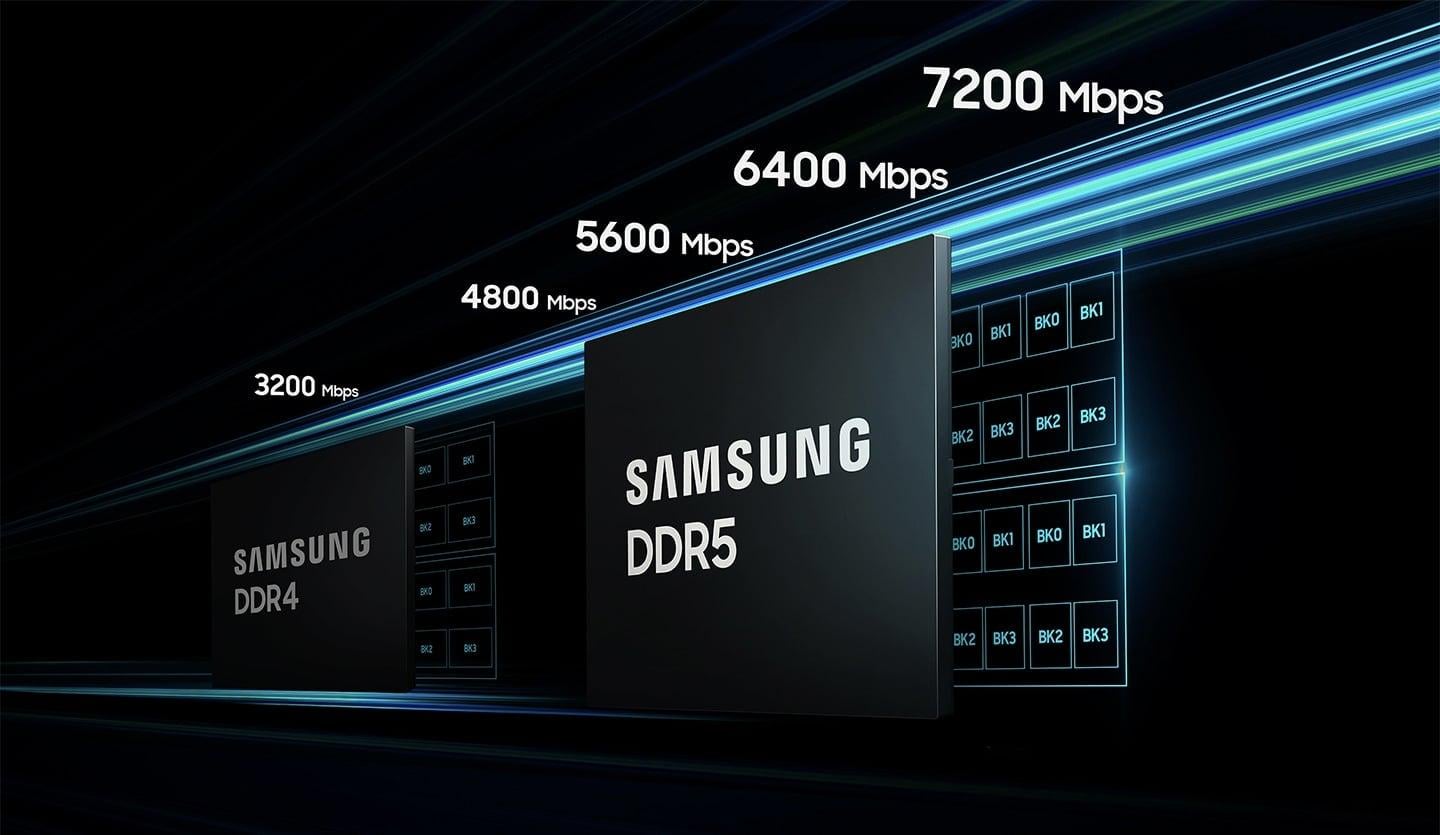
In the DDR4 segment, inventory clearance pressure persists. However, market data shows that average contract prices for PC DRAM (DDR4 8Gb) remained largely flat in March, indicating that underlying demand has not significantly weakened.
More notably, LPDDR5 memory used in smartphones is now trading at around $10 per GB, having tripled since Q1 2025, and is projected to continue rising by double-digit percentages in 2027.
The most direct impact is on entry-level smartphones. DRAM currently accounts for about 35% of component costs, while NAND adds another 19%. Combined, memory alone now exceeds half of the total production cost for budget and mid-range devices. With prices continuing to climb, memory is rapidly becoming the most expensive component, limiting manufacturers’ ability to reduce device prices in the near future.
