AMD is moving closer to diversifying its supply chain after securing an HBM4 memory deal with Samsung Electronics. But behind this agreement may lie a strategic condition: Samsung is looking to pull AMD into its foundry ecosystem, gradually reducing AMD’s long-standing reliance on TSMC.
According to multiple reports, AMD has secured HBM4 supply from Samsung for its Instinct MI455X AI GPUs, while Samsung will also provide DDR5 for AMD’s EPYC processors. Although specific terms have not been disclosed, the deal is believed to include a key clause: Samsung could leverage its HBM supply to encourage AMD to shift part of its advanced AI chip production to Samsung Foundry.
This move goes beyond a simple component supply agreement. Both companies are reportedly exploring deeper collaboration in the foundry space, where Samsung could manufacture next-generation AMD chips.
A face-to-face meeting between Lisa Su and Jun Young-hyun, Vice Chairman and head of Samsung’s Device Solutions division, at Samsung’s Pyeongtaek campus highlights the strategic importance of this partnership. This is not just about memory, but a broader move in the AI race.
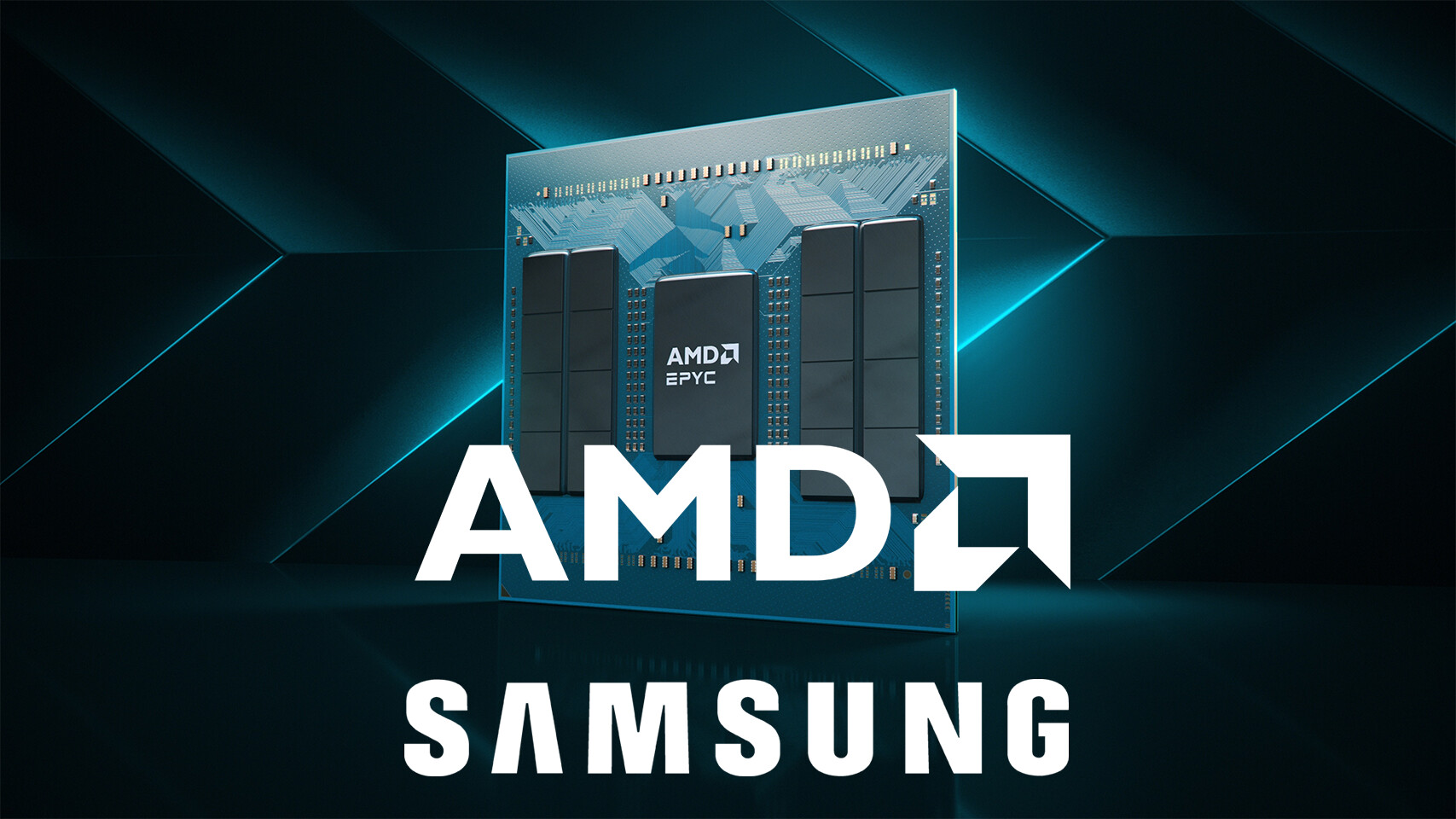
For years, AMD has relied almost entirely on TSMC for advanced nodes at 7nm and below. Meanwhile, competitors like NVIDIA and Qualcomm have already diversified production across both TSMC and Samsung, leaving AMD as one of TSMC’s most loyal customers.
However, the balance is shifting. HBM supply is becoming increasingly constrained, with Nvidia securing a large portion of capacity. At the same time, companies like Broadcom are ramping up purchases of HBM and high-performance server DRAM, forcing AMD to act quickly to secure supply.
HBM4 is expected to power AMD’s next-generation AI chips, including the upcoming MI400 series. As AMD competes directly with Nvidia and faces growing pressure from custom chip designers, securing sufficient HBM is no longer just an advantage, but a necessity.
The partnership may not stop there. Lisa Su also met with Roh Tae-moon, CEO of Samsung Electronics, signaling potential expansion into broader AI ecosystems, including PCs and tablets.
This deal reflects a clear trend: in the AI era, memory is no longer just a component. It has become a strategic lever, enabling suppliers like Samsung to reshape the global semiconductor value chain.
